Quick answer: A vape combines a power source, a heating element, a wick or liquid-delivery system, an e-liquid reservoir, an airflow path and a mouthpiece. Some devices also include draw sensors, control chips, screens and adjustable modes. The exact construction and liquid formulation vary by model, so the product page and packaging should be checked before comparing one device with another.
Searches for what is in a vape often sound like one question, but they usually contain two. The first is about hardware: what parts sit inside the device, and what does each one do? The second is about the liquid: where is it stored, how does it reach the coil, and what can a flavour name actually tell you?
This guide explains those questions without treating every device as identical. A compact disposable, a pod system and a screen-equipped high-capacity model can use the same basic operating idea while differing in battery strategy, coil design, airflow, controls and replaceable parts. If you are comparing vapes online, the useful starting point is the exact model—not the shape, colour or largest number in the title.
Searches phrased as “vapes Australia” or “vape Australia” can surface many different formats, so this component-first approach helps keep the comparison focused on verified product details.
At the simplest level, a vape has three connected systems:
Modern devices may add a control board, display, mode selector, airflow slider or liquid-status indicator. Those additions can make a product page look more technical, but they do not change the need to verify the exact model. A screen on one device may show battery status only, while another may also show operating mode or a liquid indicator.
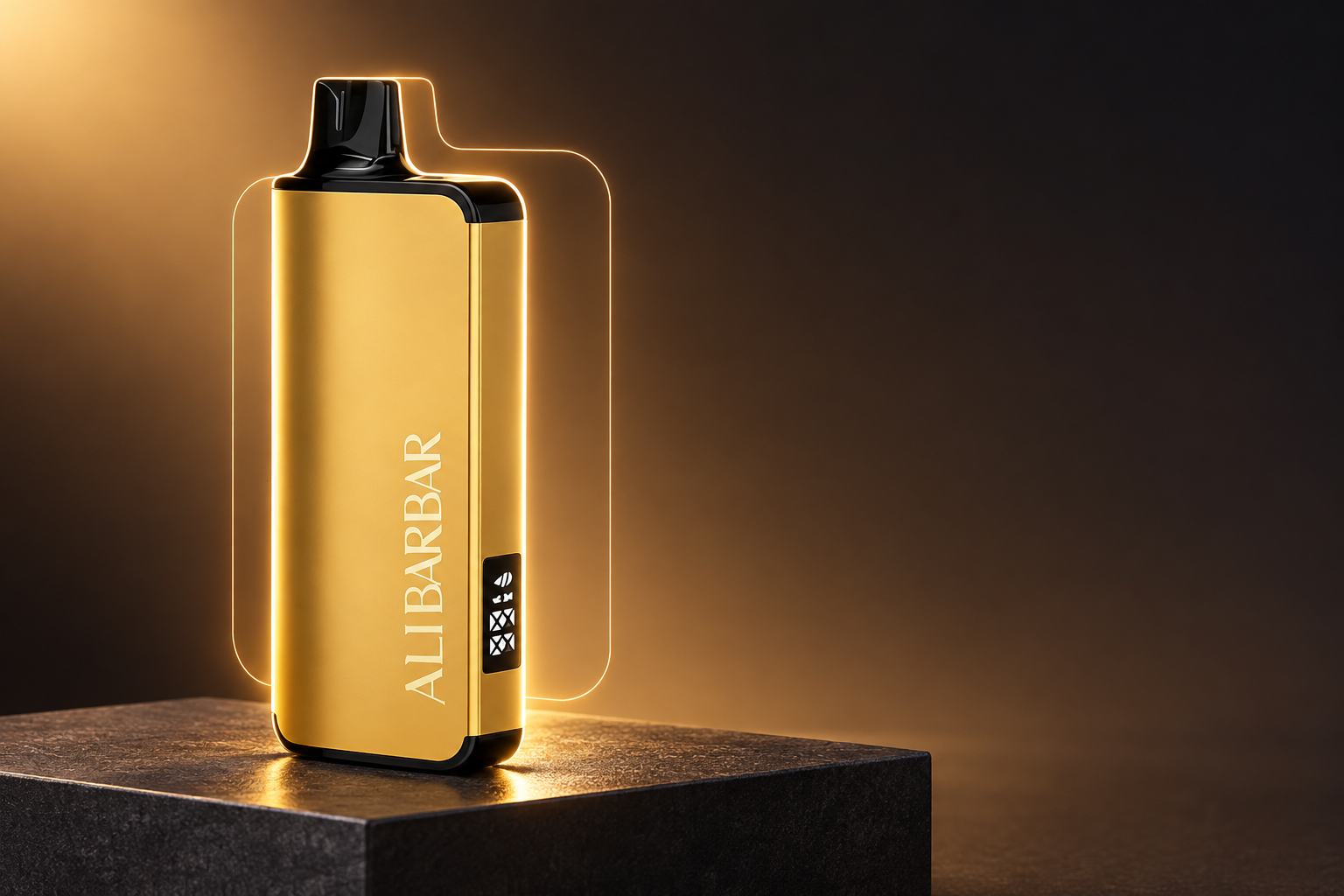
The liquid side is similarly model-specific. A flavour name identifies the option selected by the seller; it is not a complete ingredient statement or a standardised formula. Check the exact packaging and supplied information rather than assuming that two products called “Grape Ice” contain the same formulation or deliver the same flavour profile.
| Part | What it does | What to verify on the exact model |
|---|---|---|
| Mouthpiece | Provides the outlet for the designed air path | Shape, cleanliness and whether it is integrated or removable |
| Airflow inlet | Allows air to enter during a draw | Fixed or adjustable airflow; location of external openings |
| Reservoir or pod | Holds the device’s liquid supply | Pre-filled or refillable; fixed or replaceable |
| Wick | Carries liquid towards the heating element | Usually internal and not a user-serviceable part in sealed devices |
| Coil or mesh element | Converts electrical energy into heat | Coil type, listed resistance and whether replacement is supported |
| Battery | Supplies power to the heating system and electronics | Capacity, rechargeable status and documented charging method |
| Sensor or button | Starts normal operation | Draw-activated, button-operated or a combination |
| Control chip | Manages power delivery and supported protections | Modes, timeout behaviour and model-specific status signals |
| Display or indicator | Communicates selected device information | Battery, liquid or mode information actually confirmed by the listing |
| Enclosure | Holds the systems together and protects internal parts | Material, condition, seams and exact model identity |
This table is a map, not a universal specification sheet. A simple disposable may hide nearly every internal part inside a sealed body. A pod device may allow the pod to be removed while keeping the battery section closed. A larger model may expose controls and a screen but still use an integrated liquid system.
In a draw-activated device, air entering through the designed inlet triggers a sensor. The control system supplies power from the battery to the heating element. Liquid held in the wick is heated, and the resulting vapour follows the airflow path to the mouthpiece.
That sequence is short, but performance depends on the whole system. Battery output, coil design, resistance, wick condition, airflow and operating mode all affect how the device behaves. This is why two products described as “mesh coil” devices can still feel different, and why a larger battery figure does not automatically establish a fixed number of days of use.
For a closer look at the figures used on product pages, the VAPES-AUS guide to reading vape specifications explains what puff ratings, battery capacity, resistance and airflow labels can—and cannot—tell you.
The battery supplies the energy needed by the coil, control board, sensor and any display. Product pages often express battery capacity in milliamp hours, written as mAh. That figure describes stated charge capacity; it does not promise an exact runtime because output, draw length, frequency, screen use and operating mode also matter.
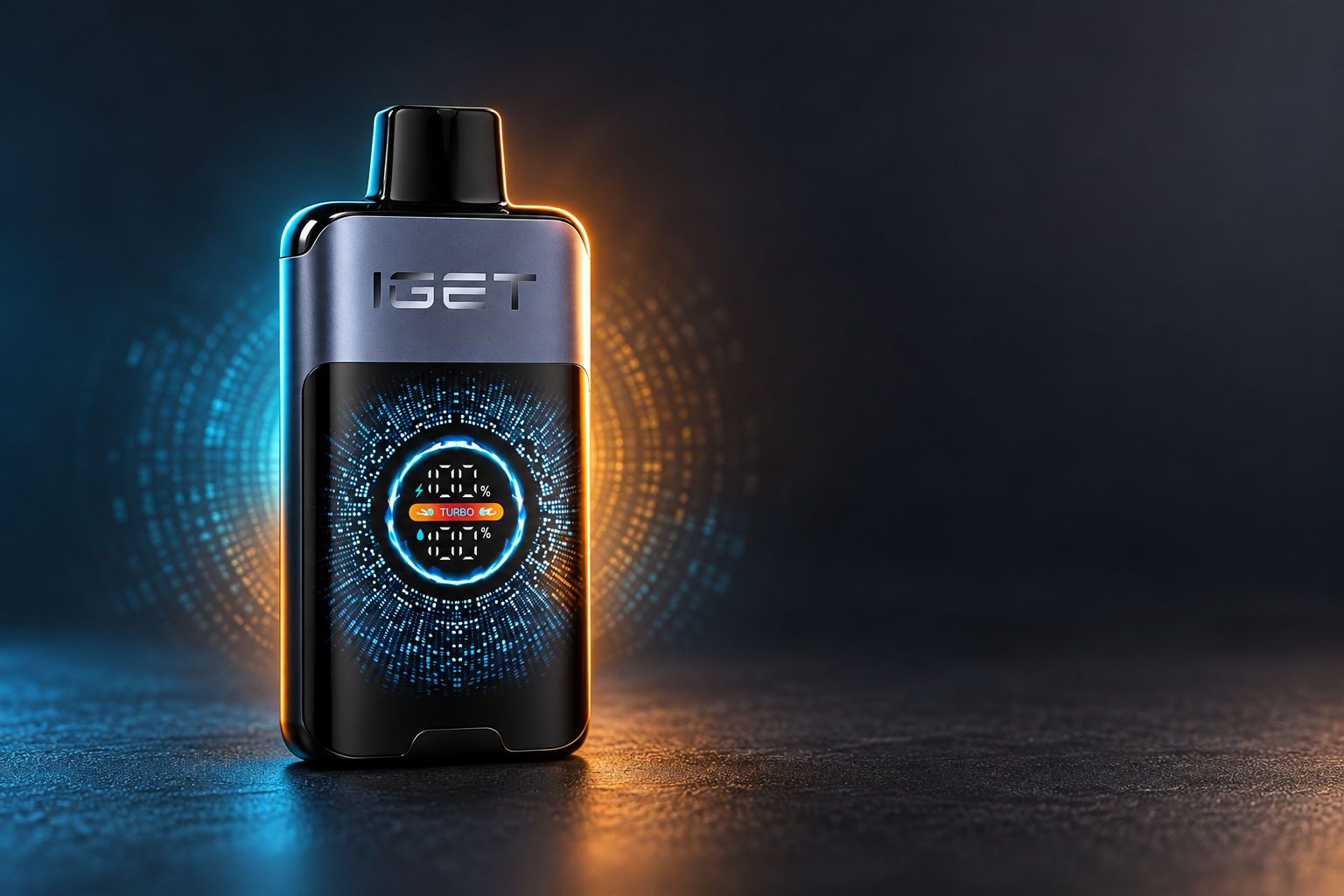
Three battery questions should be kept separate:
Rechargeable and refillable are also different descriptions. Rechargeable refers to restoring battery energy. Refillable refers to adding liquid to a reservoir designed for that purpose. A product can be rechargeable while its liquid system remains sealed and pre-filled.
If a listing and the package do not agree, stop treating the field as confirmed. Do not experiment with a port or apply instructions from a similar-looking product.
The coil is the heating element. The wick holds liquid close to that element so it can be heated during normal operation. In sealed disposable devices, both parts are internal and are not intended to be opened, repaired or replaced at home.
Many current listings use the term mesh coil. Mesh describes the form of the heating element rather than guaranteeing a particular flavour intensity, vapour amount or lifespan. Resistance, measured in ohms, is another electrical property; it needs to be read alongside power delivery, airflow and the rest of the device design.
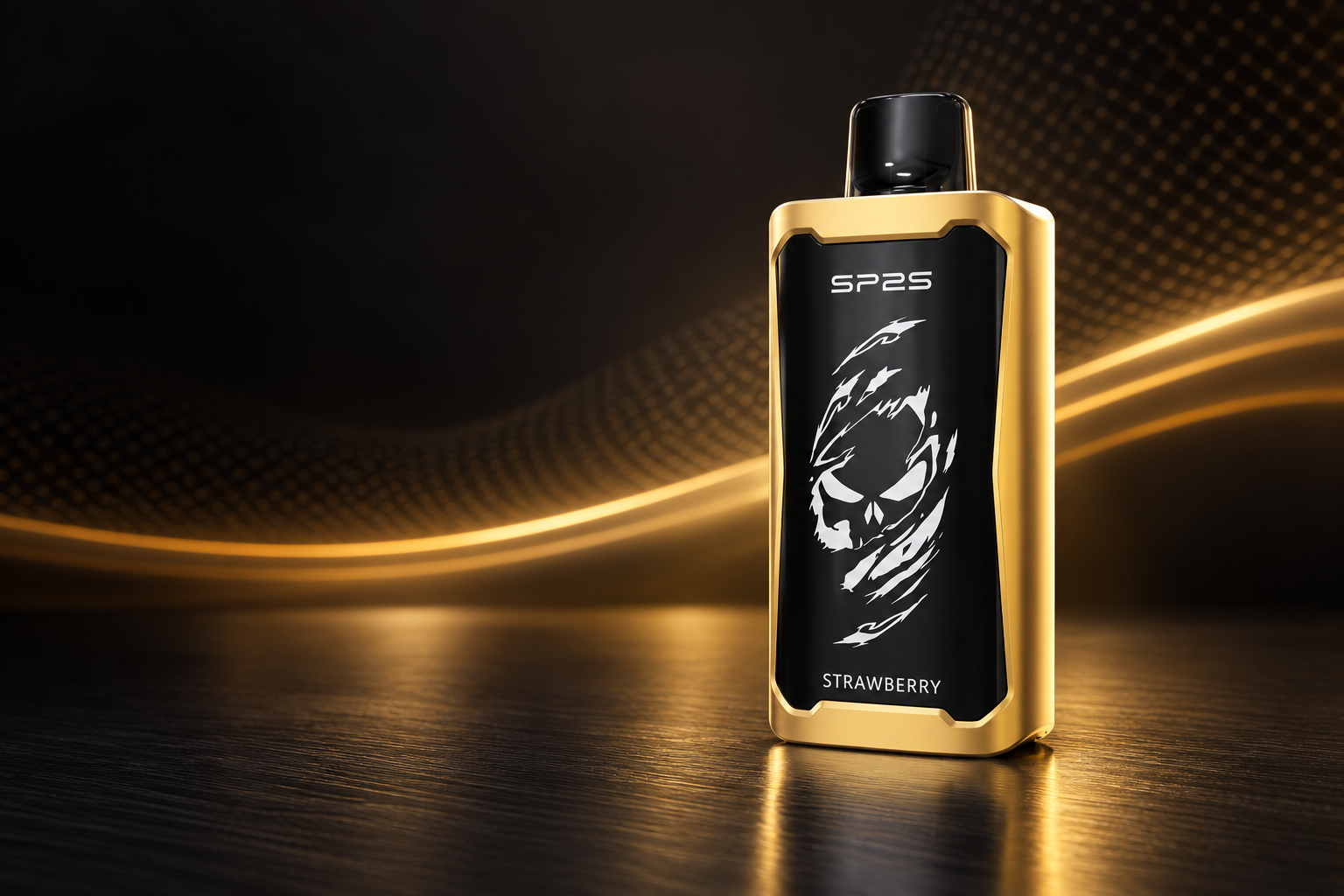
The current SP2S TANK 12000 listing provides a useful model-specific example. It lists a 0.9-ohm mesh cotton coil and 13.45 W output. Those figures belong to SP2S TANK 12000 and should not be copied to IGET, ALIBARBAR or another SP2S product simply because the body or puff category looks similar.
The reservoir stores the liquid supply. Depending on the format, it may be a fixed internal chamber, a pre-filled pod or a refillable pod or tank. The product description should make that distinction clear because it changes what is designed to be removed, replaced or filled.
In a pre-filled disposable, the reservoir, wick, coil and battery are usually combined inside one body. A removable pod system separates the pod from the battery section. A refillable design adds a documented fill point and compatibility requirements. These formats should not be inferred from a generic search term such as “electric cig”, “vape pencil” or “vaping pen”. The exact product page needs to identify the format.
The complete formulation is product-specific. The flavour name alone does not provide a reliable ingredient list, and a colour or packaging image cannot confirm what is inside. Use the information printed on the exact package and the manufacturer’s documentation for that production version.
For shopping and flavour comparison, names such as fruit, berry, mint and ice are best treated as profile labels. The guide to fruit and ice vape flavours explains how those names can signal a main note or cooling finish without turning them into universal formulas.
Airflow is the route air follows from the inlet, past the heating area and out through the mouthpiece. A fixed-airflow disposable sets that path through its body design. An adjustable device may include an external control that changes the intended opening.
Covering an inlet, forcing an unusually hard draw or treating a designed slider as a power control can change how the device feels. Check the product instructions before assuming what a control does. An airflow adjustment does not automatically change coil resistance, and a mode selector does not necessarily move an airflow gate.
Draw activation uses a sensor to detect normal inhalation through the mouthpiece. Button-operated systems use a physical control, while some devices combine buttons with menus or mode selection. The activation method belongs to the exact model and should be named in a comparison when it materially changes operation.
The control chip coordinates the device’s supported power behaviour, activation and status signals. In a basic format, the user may see only a small light. A more feature-led product can include a display that reports selected information.
The current IGET ONE 12000 product page is a good example of why these features must remain model-specific. Its listing describes Regular and Turbo modes, dual-mesh heating and a curved colour display. Regular and Turbo also carry different advertised puff estimates on that page.
That does not mean every IGET vape has two modes or the same screen. The separate IGET BAR PRO 10000 page describes another model with its own body, selector and listed hardware. Brand names organise a range; they do not make the internal specifications interchangeable.
Displays also need precise wording. If a listing confirms battery status, say battery status. Do not add a liquid percentage, puff counter or mode readout because another product’s screen includes it.
| Device format | Typical arrangement | Main detail to confirm |
|---|---|---|
| Sealed disposable | Battery, reservoir, wick and coil integrated into one body | Whether the exact model is rechargeable and how end-of-life is indicated |
| Pre-filled pod system | Replaceable pre-filled pod attached to a reusable battery device | Exact pod compatibility and documented charging method |
| Refillable pod system | Refillable removable pod attached to a reusable battery device | Compatible liquid, fill limit, pod and coil requirements |
| Tank-style serviceable system | Separate tank, coil and battery/mod components | Exact component compatibility and manufacturer instructions |
The word “disposable” describes the product format, not the performance of every internal part. Some sealed products are designed to recharge their built-in battery during the usable life of the pre-filled liquid supply; others are not rechargeable. The full model documentation decides which description applies.
Similarly, a product name containing “TANK” does not prove that the tank is removable or refillable. It may be part of a model name or exterior design. The SP2S TANK 12000, for example, should be described from its exact product information rather than from the general meaning of a serviceable tank system.
An advertised puff count is a manufacturer reference figure. It is not a physical component, and it does not show how many identical draws every user will receive. Draw length, frequency, airflow, mode, coil efficiency, battery performance and ordinary unit variation affect real use.
This matters when browsing disposable vapes in Australia. A 12,000-puff label can sit beside very different batteries, coils, screens, capacities and controls. The useful comparison is the complete hardware set, as shown in the VAPES-AUS guide to comparing disposable models beyond puff count.
Do not convert a printed rating into an exact number of days without clearly stated assumptions. A longer or higher-output draw uses more energy and liquid than a shorter draw, so two people may see different practical lifespans from the same model.
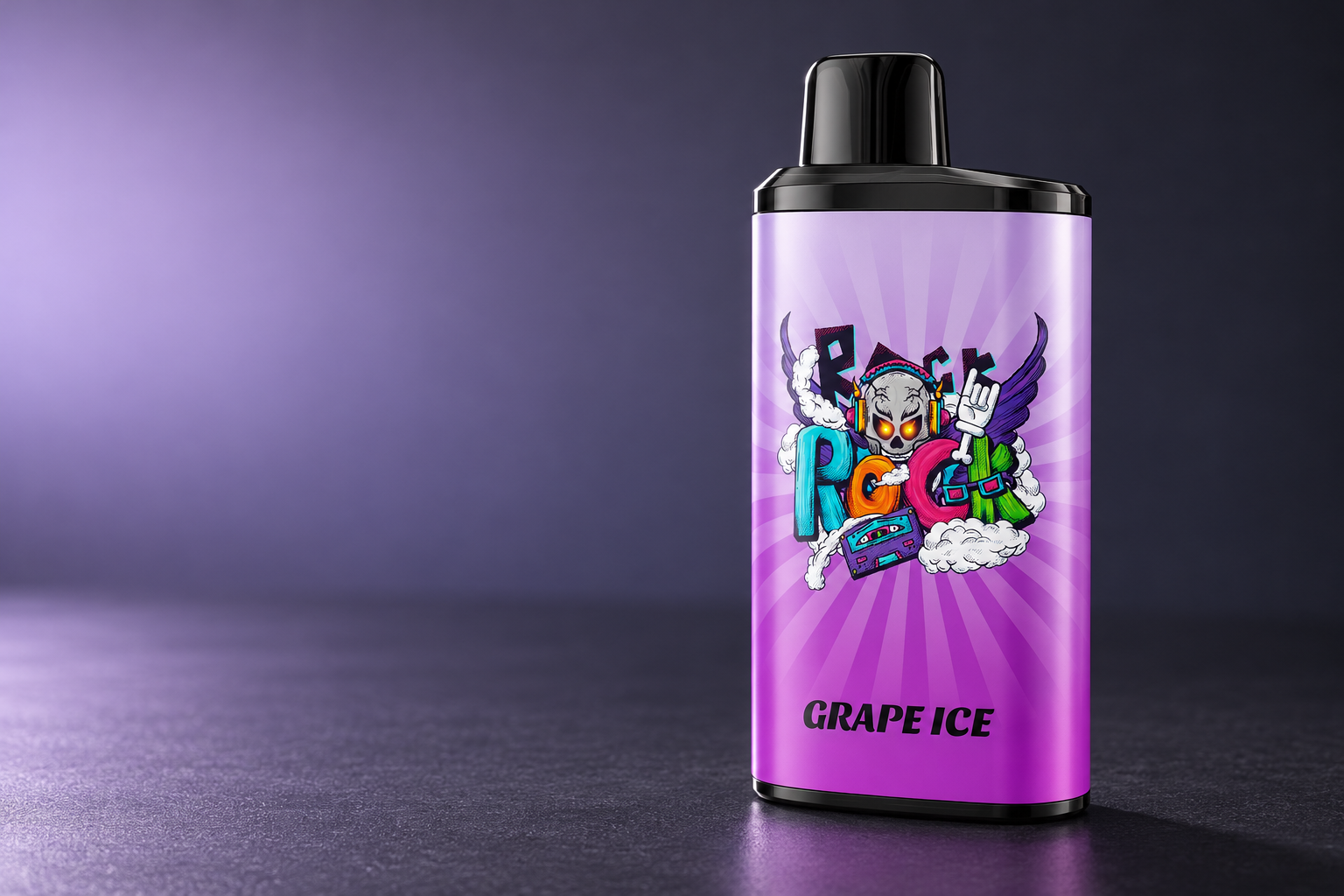
The following examples show how the shared component map can lead to different products. Across vape brands—and even within one brand—the same basic parts can be arranged and controlled differently. The table uses only fields currently stated on the cited VAPES-AUS pages; live details should be rechecked before publication.
| Model | Heating and control example | Display or indicator example | Editorial lesson |
|---|---|---|---|
| IGET ONE 12000 | Dual mesh with Regular and Turbo modes | Curved colour display | Mode and screen details belong to this exact IGET model |
| IGET BAR PRO 10000 | Separate IGET model with its own listed hardware | Check the current product page for exact indicator wording | Do not transfer IGET ONE specifications across the brand |
| ALIBARBAR INGOT 9000 | Integrated all-in-one format with mesh heating in the current listing | LED status indicators are described | An indicator is not automatically a full smart display |
| SP2S TANK 12000 | 0.9-ohm mesh cotton coil at a listed 13.45 W | Smart digital display with battery status | A “TANK” model name does not establish refillability |
The models also carry different advertised puff figures. Those ratings help identify product categories, but they do not replace the need to compare the battery, liquid system, heating element, airflow and controls.
It does not. Charging concerns the battery. Refilling concerns the liquid reservoir. Keep the two fields separate in product copy and comparison tables.
Battery capacity is only one variable. Output, draw frequency, draw duration, mode and the device’s other electronics affect energy use.
Mesh describes a heating-element format. Resistance, power, airflow, wick and liquid delivery still differ between products.
One screen may show battery status, another may add liquid or mode information, and a simple LED may communicate only a limited signal. Describe only the functions confirmed for the exact model.
It is not. A flavour name helps identify a variant or intended profile, but the complete formulation must come from product-specific labelling and documentation.
Puff ratings are estimates under particular conditions. Compare the complete model, not a number in isolation.
When reviewing vapes online in Australia, use the same sequence for every listing:
The VAPES-AUS online product-listing checklist takes this process from the internal component map to the complete shopping page.
The main systems are a battery, heating element, wick or liquid-delivery section, reservoir or pod, airflow path and mouthpiece. Many devices also include a draw sensor, control board, indicator, screen or mode control. The exact arrangement depends on the model.
The coil or mesh element is the electrical heating component. The wick carries liquid towards that element. They work together, but they are not the same part. In a sealed disposable device, both are internal and should not be opened or repaired.
Mesh describes the shape or structure of the heating element. It can provide a broader heating surface than a narrow wire design, but the label alone does not guarantee a particular flavour, vapour output or lifespan. Resistance, power, airflow and liquid delivery also matter.
No. Rechargeability is model-specific. A high puff rating, large battery or visible opening does not confirm that a device accepts charging. Check the exact product instructions and packaging before connecting anything to power.
Not necessarily. A rechargeable device may still use a sealed pre-filled reservoir. Refillable products have a liquid system specifically designed and documented for refilling. Keep the battery and reservoir descriptions separate.
The complete formulation varies by product and production version. A flavour name does not provide a reliable ingredient list. Check the exact package and manufacturer documentation instead of copying information from another model or assuming that similarly named flavours are identical.
Battery capacity helps describe stored charge, but it cannot predict an exact number of days or draws on its own. Output, mode, draw length, frequency, coil efficiency and other electronics all affect runtime.
Puff count is an advertised estimate, not a hardware standard. Two 12,000-puff products may use different battery capacities, liquid volumes, coil resistance, power, screens or modes. Compare the exact models and keep each specification attached to its source page.
Start with the exact retailer domain, model and variant. Then identify the device format, battery strategy, liquid system, coil, airflow and controls. Use the current product page rather than a search snippet, and leave any missing field unconfirmed instead of borrowing a value from a similar model.
A vape is a connected system rather than a single component. The battery provides power, the coil supplies heat, the wick moves liquid, the reservoir stores it and the airflow path carries vapour to the mouthpiece. Sensors, chips, screens and modes add model-specific controls and status information.
Understanding that map makes product listings easier to read. It also prevents common comparison errors: rechargeable is not the same as refillable, mesh is not a complete performance description, a screen does not show every possible status and an advertised puff count is not a guaranteed total.
When comparing vapes in Australia, keep every specification attached to the exact model. Use current VAPES-AUS product pages, verify the package and treat flavour names and headline ratings as starting points—not substitutes for the complete device information.
VAPES-AUS focuses on cart-ready vape picks for Australia shoppers, including Local Stock Fast AUS Shipping disposable vapes, SP2S Tank 12000, Alibarbar, IGET, SWIX and selected overseas warehouse options such as Geek Bar Pulse X 25K.
Browse local stock vapes, flavour-forward Alibarbar picks, familiar IGET devices and high-capacity disposable vape options in one VAPES-AUS cart.


